The Valley of Five Caves (Beshpeshagor): Uzbekistan’s Hidden Subterranean Marvel
Nestled within the rugged Molguzar Mountain Ridge in the southern part of Uzbekistan’s Jizzakh Region lies one of the country’s most enigmatic and visually striking natural landmarks—the Valley of Five Caves, locally known as Beshpeshagor. Towering granite massifs, sculpted by erosion over thousands of years, rise like monolithic walls. Their surfaces are riddled with deep fissures and cracks that open into an extensive system of underground galleries, giving the landscape an almost otherworldly appearance.
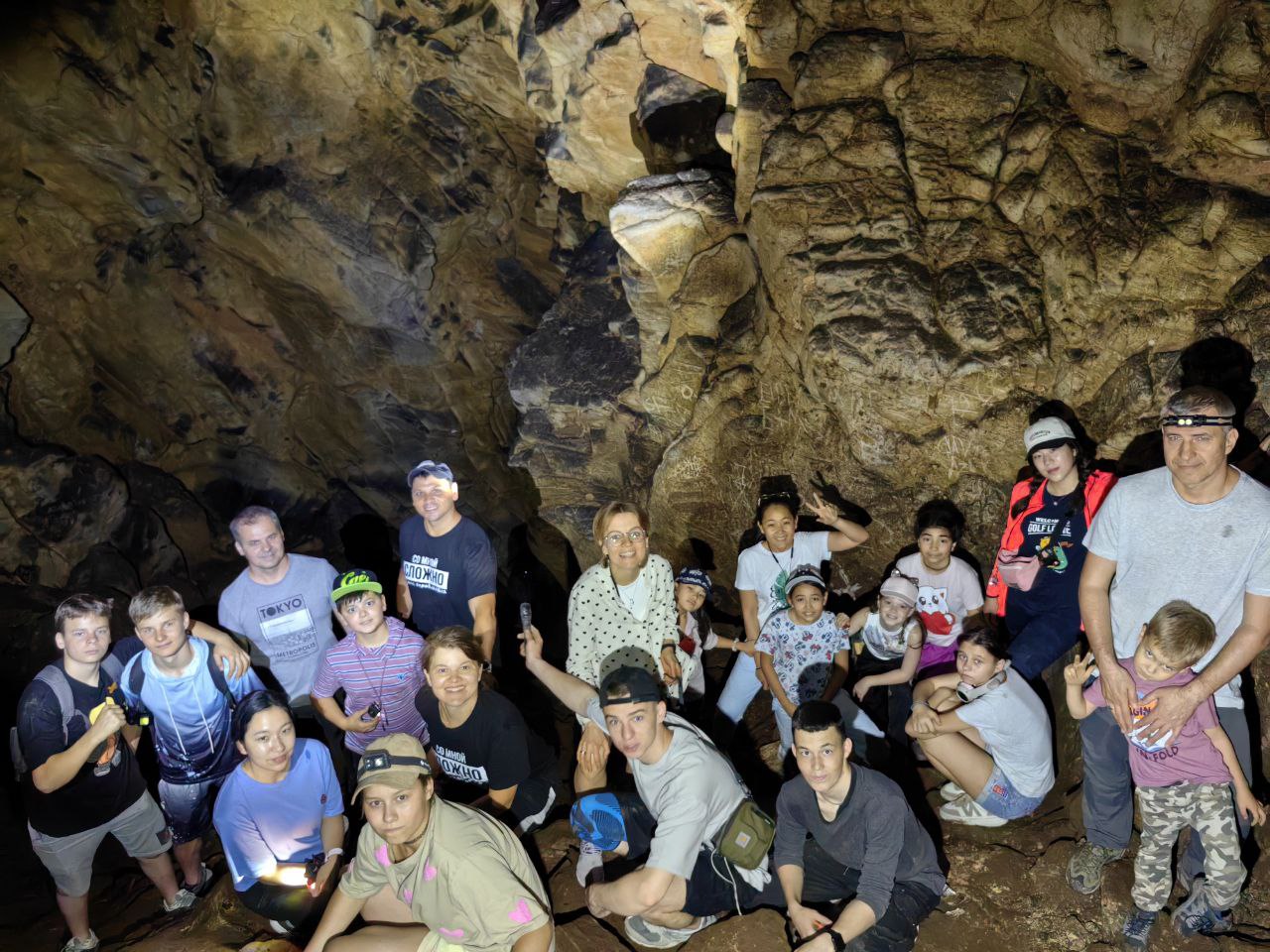
The largest cavern in the complex, commonly referred to as Peshagor Cave, is distinguished by a monumental semi-dome entrance. Its main chamber alone stretches nearly 250 meters in length and approximately 10 meters in width, creating an overwhelming sense of scale. Despite several scientific expeditions, the full extent of the cave remains unknown, and researchers have yet to determine where its underground passages ultimately end.
Archaeological investigations conducted inside the cave have revealed significant evidence of ancient human presence. Among the discoveries are fragments of pottery, household implements, animal bones, rock engravings, and wall paintings, all pointing to long-term and repeated use of the site. Particularly striking is the thick layer of soot covering much of the cave’s walls and ceiling, indicating the prolonged use of fire deep within the underground chambers. According to archaeologist Sattor Karabaev, these features suggest that Peshagor may once have served as a ritual space, possibly an underground temple associated with fire-worshipping practices.
Some scholars have proposed that the cave could correspond to a sanctuary mentioned in the 6th-century Chinese historical chronicle Tan-shu. However, researchers remain cautious and refrain from making definitive claims regarding the cave’s association with Zoroastrianism or any specific ancient religious tradition.
The Valley of Five Caves as a whole remains a largely unexplored archaeological frontier. Recent excavations in the nearby Jomonjar tract, located on the opposite side of the mountain range and close to the sacred site known as Chukmazar Ota, have brought to light additional underground temple complexes. Preliminary interpretations suggest that these sites may reflect periods of Buddhist presence, as well as traces of an early branch of Christianity, highlighting the region’s role as a crossroads of cultures and beliefs in Central Asia’s past.
Combining dramatic natural formations with deep historical and spiritual significance, the Valley of Five Caves continues to captivate scientists, historians, and adventurous travelers alike. Ongoing research promises to shed further light on the ancient civilizations that once sought refuge, worship, and meaning within these mysterious subterranean spaces.